Seam Sealing - Welded Seams

What is seam sealing in sportswear manufacturing? It fuses or tapes garment seams so no needle holes remain, giving fully waterproof, windproof construction for technical outerwear. As a custom sportswear manufacturer, Cindra applies hot-air, hot-wedge and tape welding to seal seams on jackets, softshells and rainwear at OEM volume.

Seam sealing: waterproof, windproof, and highly durable for premium clothing.

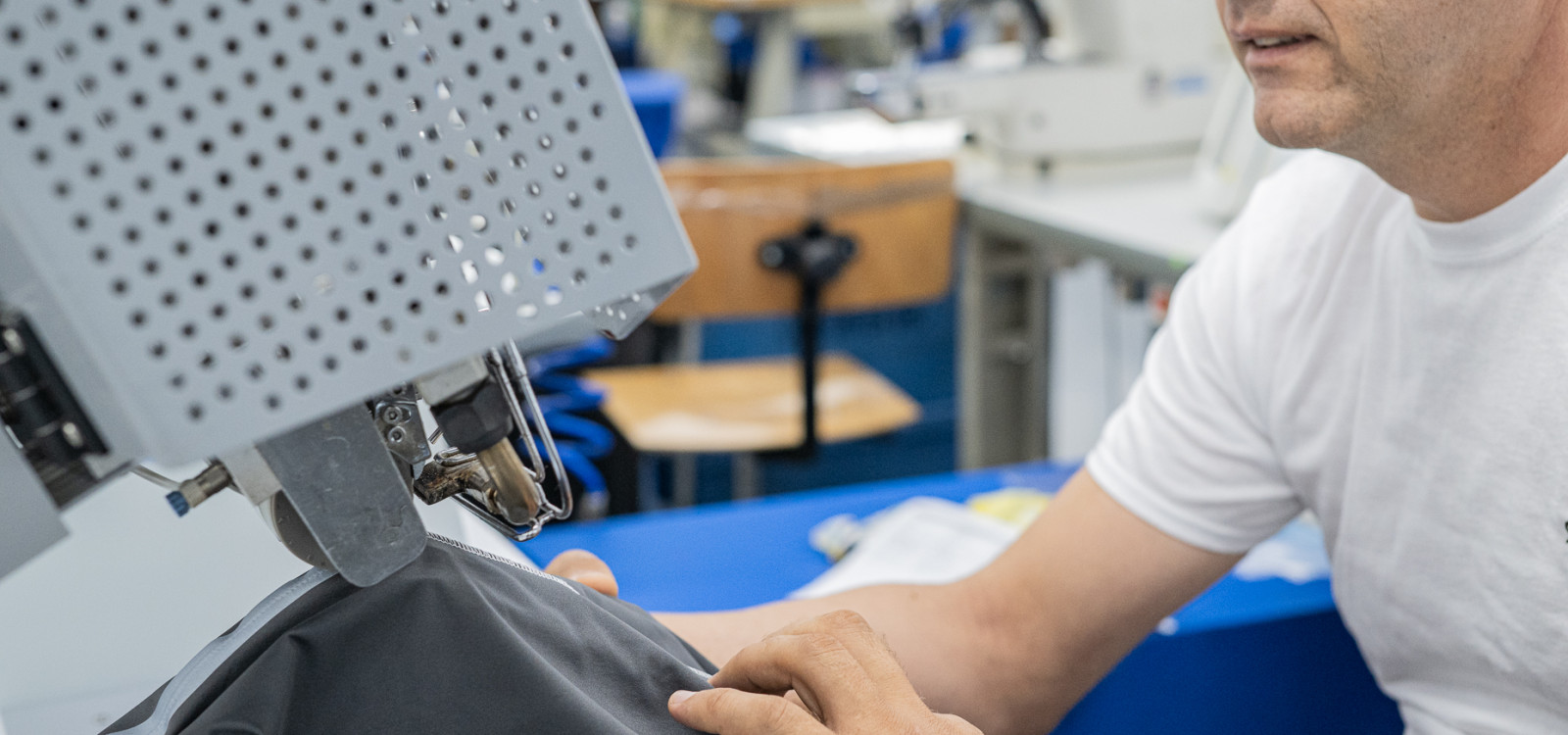
Seam Sealing - Welded Seams image

In the high-stakes world of sports and outdoor clothing, the quality of seams often distinguishes a superior product from a mediocre one. A pivotal textile technology that has achieved this distinction is seam sealing.

Waterproof: seam sealing renders seams completely water-resistant. Even the most intense rainfall cannot breach them.

Windproof: The same technology that waterproofs the seams also ensures they are windproof, providing extra protection and comfort, especially in stormy conditions.

Durability: seam sealing is regarded as one of the most resistant seam construction methods for waterproof apparel, establishing new benchmarks in the industry.

Unlike needle stitching, which inevitably leaves tiny holes, Seam Sealing ensures an impeccable seal. Whether it involves taping seams or directly welding two thermoplastics, Cindra provides the ideal solution with its comprehensive range of welding machines.

Apparel designed for specific sports must offer protection against wind and varying climatic conditions, maintain warmth, ensure breathability, and dry quickly. The seams of outdoor jackets, hiking pants, and softshell jackets require robust and reliable welding using hot air, a hot wedge, or tape. Our technology ensures that these products not only meet the demands of the sport but also endure the harshest weather conditions.

Frequently asked questions

What is seam sealing (welded seams)?

Seam sealing joins fabric panels using heat-welding or waterproof tape instead of needle-and-thread stitching, eliminating the tiny perforations regular seams leave. The result is a fully sealed, waterproof and windproof seam used across technical outdoor and sports apparel.

How is seam sealing different from regular stitching?

Regular stitching pierces the fabric with a needle, leaving small holes that water and wind can pass through over time. Seam sealing either welds two thermoplastic layers directly or bonds a waterproof tape over the seam, so there are no needle holes and no weak points.

Is seam-sealed clothing fully waterproof?

Yes. Properly sealed seams are one of the most water-resistant seam constructions available, holding up against sustained rainfall and repeated wear when applied with the correct hot-air, hot-wedge or tape-welding process.

What garments benefit most from welded seams?

Outdoor jackets, softshells, rain shells, hiking pants and other weather-critical technical apparel benefit most, since these garments need to stay warm, dry and breathable through demanding conditions.

What's the minimum order for seam-sealed or welded garments?

We work with flexible MOQs and can combine seam sealing with our other bonding and lamination technologies on the same order. Share your specs and quantities and we'll recommend the right construction.